






Four Types of Electric Vehicles Explained
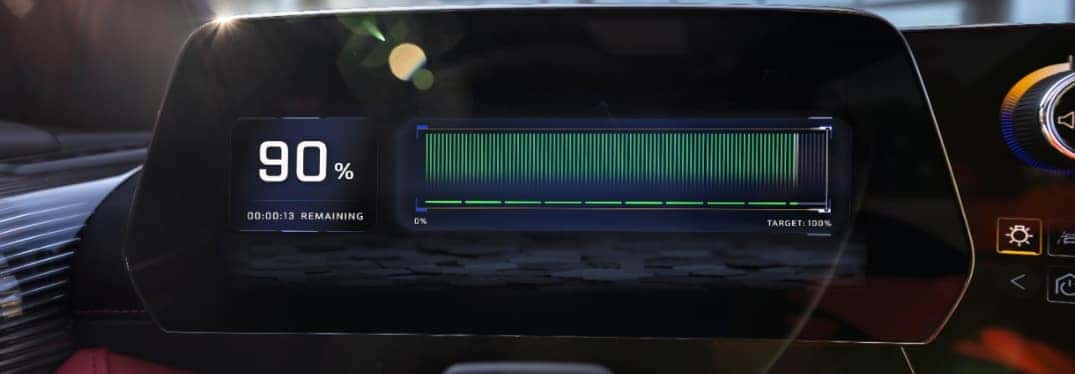
Shopping for vehicles can feel overwhelming with all the choices out there, especially if you’re considering a hybrid or electric vehicle. What are the differences? How many types of electric vehicles are there? To help you make the best decision, we at Rairdon’s of Kirkland put together this handy guide on the different types of EVs and what sets them apart.
There are currently four types of electric vehicles split into hybrid and fully electric. While there are some similarities, there are also several components that differentiate the two.
Hybrid Electric Vehicle
An HEV consists of a traditional combustion engine accompanied by an electric motor and battery to power it. You fill its tank with fuel just like a regular vehicle, but the electric motor and battery get charged as you drive to give your fuel economy a significant boost. That means that the engine and motor provide power simultaneously as you drive for extra efficiency. They also use regenerative braking to charge the battery, which works to send a small bit of energy to the battery every time you hit the brakes.
Plug-In Hybrid Electric Vehicle
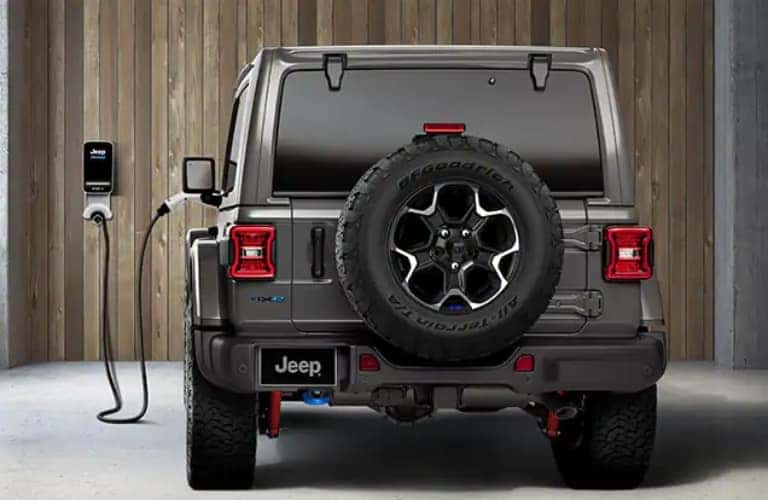
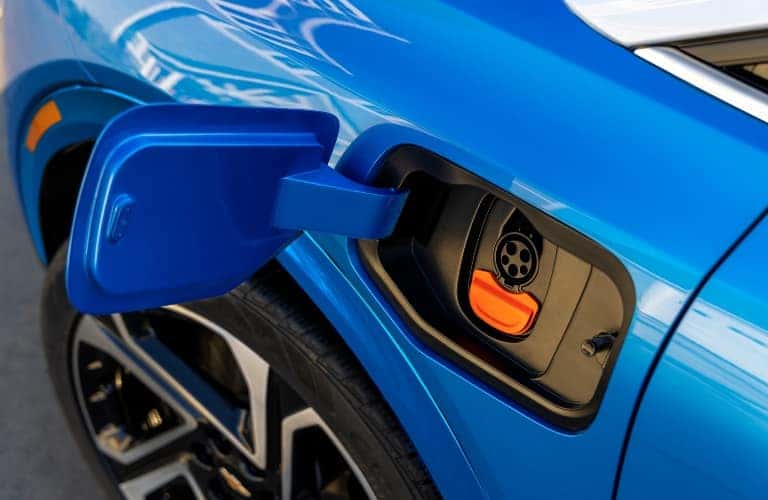
PHEVs are similar to HEVs with one major difference: instead of the battery receiving power through the combustion engine, it’s plugged in to charge. This setup adds an extra boost to your fuel economy and typically comes with two or more drive modes, including Hybrid Mode and Electric Mode. They can be charged with a regular electrical outlet, a specially-made Level 2 charger with more power, or one of the many public charging stations nationwide.
Battery Electric Vehicle
A battery electric vehicle is like a PHEV, just without the combustion engine and fuel tank. Instead, it runs solely on battery power and one or more electric motors. These fully-electric vehicles run on battery power alone, and like PHEVs, they require frequent charging. As EVs become more common, owning one is more convenient with several charging options at home and on the road.
Fuel Cell Electric Vehicle
While they’re still in development in the U.S., fuel cell vehicles are making waves overseas with more expected soon. FCEVs convert fuel from the hydrogen tank to electric energy for zero-emission driving. One of the downsides of FCEVs is that the hydrogen tank needs to be refilled often, and doing so isn’t as easy on the wallet as other EV models.
Electric Vehicles Available Now at Rairdon’s of Kirkland
You can find all the newest Chrysler, Dodge, Jeep, and Ram hybrid and electric vehicles at Rairdon’s of Kirkland! Shop online today or visit us for a test drive to learn more about what it’s like to own an EV.
0 comment(s) so far on Four Types of Electric Vehicles Explained